Nutrition Basics
Why Portion Size Matters
The same food at three sizes can differ by hundreds of calories. Portion is the easiest lever on any menu.
By FoodX Editorial Team · Published 2026-08-12 · Updated 2026-09-01
 Why Portion Size MattersFoodX
Educational information only. Nutritional needs differ from person to person, and this guide is not medical or dietary advice. Speak to a doctor or registered dietitian for personal nutrition, allergy or medical guidance.
Same food, different totals
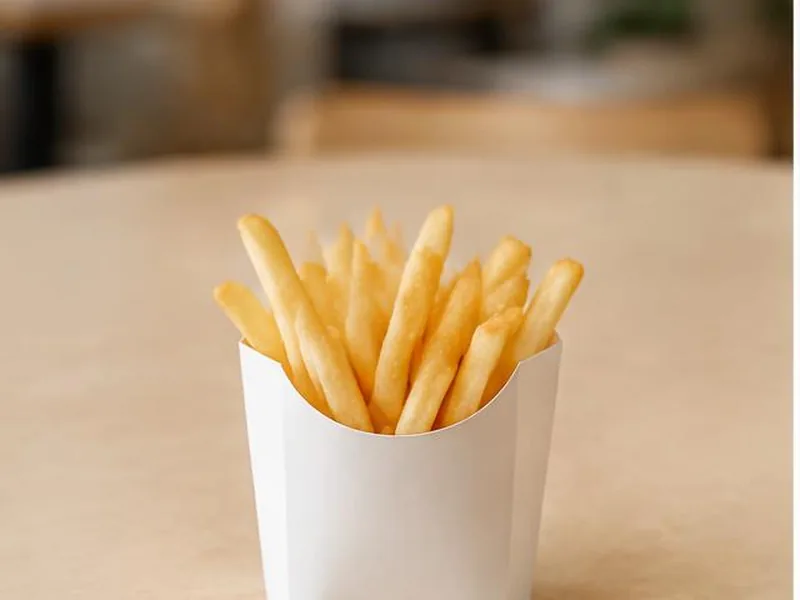
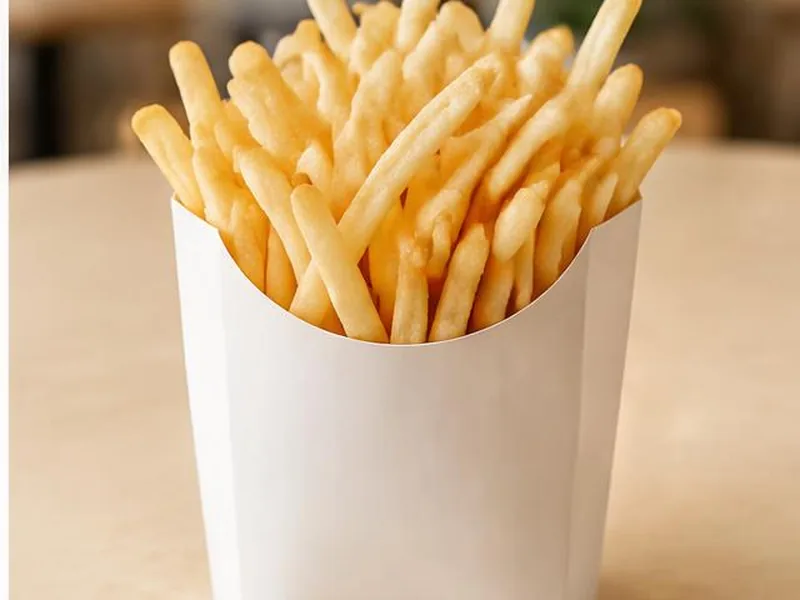
Fries are the clearest illustration: small, medium and large are identical potatoes cooked identically, yet the listed figures run 230, 320 and 480 calories. Nothing about the food changed — only how much of it you received.
Why upsizing is so easy
Larger sizes usually cost only a little more, which makes them feel like good value. Value per dollar and value per calorie are different measurements, and menus are generally priced on the first one.
- Ordering the default size rather than the upgrade is often a 100–200 calorie decision.
- Sharing one large portion between two people beats two mediums.
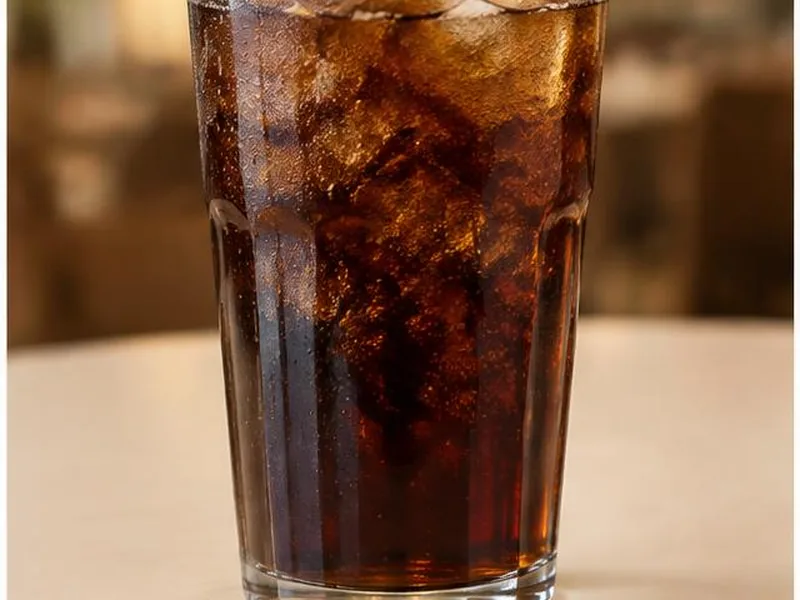
- Drinks upsize more aggressively than food and add sugar rather than satiety.
Portion versus restriction
Adjusting portion size lets you keep eating the foods you like. For most people that is more sustainable than removing categories of food entirely.
Prices may vary by location and are subject to change.
About the author
FoodX Editorial Team
Menu research and fact-checking team
The FoodX editorial team compiles menu, calorie and price information from published sources, records which market each figure belongs to, and updates guides when restaurants change recipes or portion sizes.
- Independent food-information publisher with no affiliation to McDonald's
- Every figure is attributed to a published source and a market
Keep reading
Browse the full menu directory, breakfast menu, calorie tables, our nutrition explainer or prices by country.